
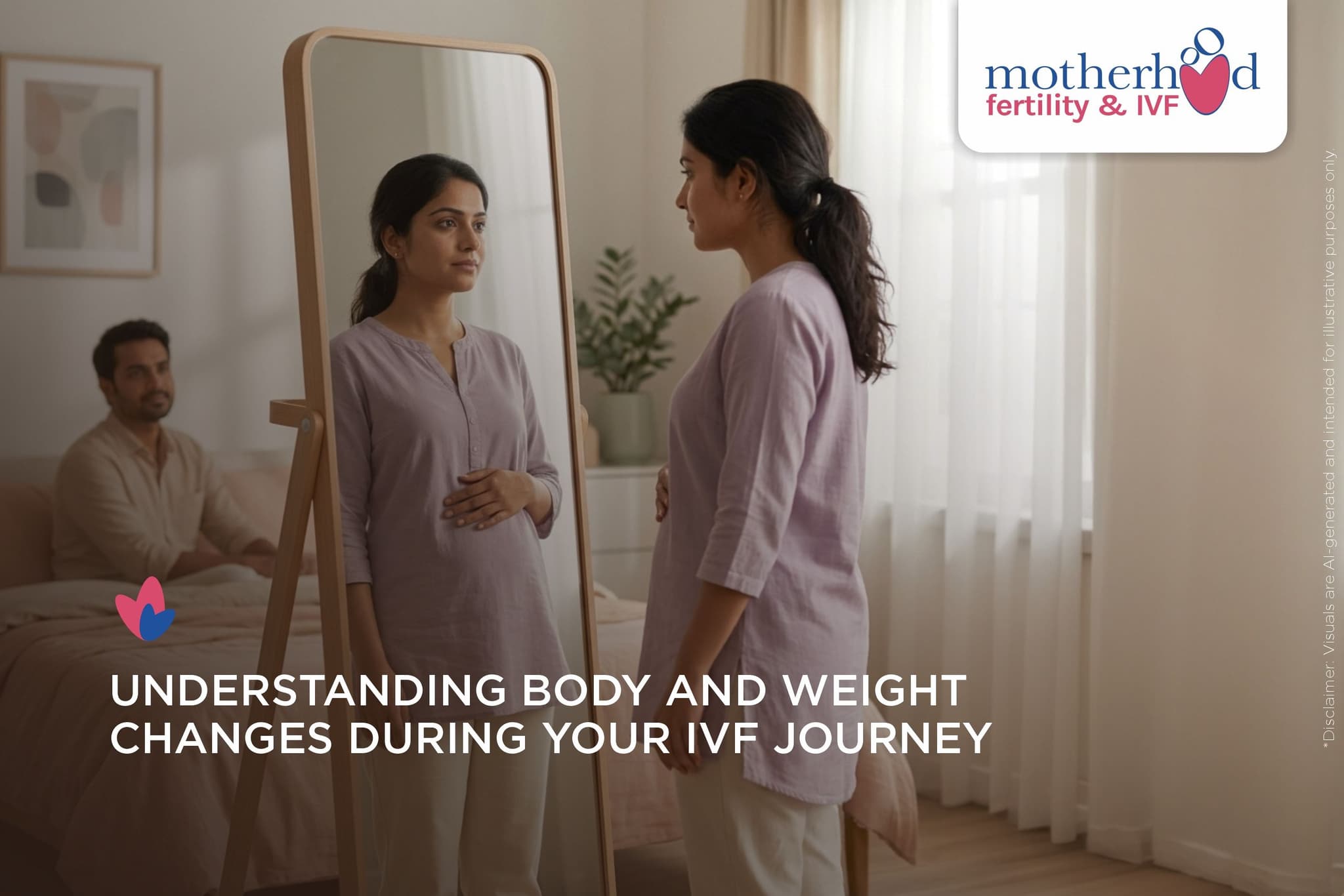

IVF can, at times, be accompanied by weight gain. This change in body can seem alarming owing to its correlation with in vitro fertilisation (IVF). However, before you panic, it is important to understand the possible causes of this weight gain and the extent of its association with IVF. Being well-informed about such changes and having access to management strategies can help make the IVF journey less overwhelming.
What Is IVF, and What Does Its Procedure Entail?
To better understand the IVF and weight gain correlation, an accurate idea about the treatment and its procedure is important. The IVF procedure involves the retrieval of mature eggs from the ovaries and their fertilisation in a controlled laboratory setting. IVF’s complex series of steps is as follows:
- Stimulation: Women receive medicines during the procedure to increase egg production. As during the normal cycle only one egg is produced, these medicines increase the volume, increasing the chances of fertilisation during the procedure.
- Egg Retrieval: Through the minor follicular aspiration surgery, the eggs are retrieved from the woman’s body for fertilisation. During the procedure thin needle is inserted into the ovary and sacs, then eggs are retrieved using a suction device.
- Insemination: For fertilisation, the retrieved eggs are inseminated and stored in a controlled setting. Fertilisation can occur a few hours after insemination.
- Embryo Culture: The embryo is monitored. Some couples may consider pre-implantation genetic diagnosis (PGD) before the next step of IVF.
- Embryo Transfer: They are transferred into the uterus through a catheter. Unused embryos may be frozen for later use.
The IVF and Weight Gain Connection
The IVF and weight gain relation is often a temporary one. This means that IVF itself does not necessarily cause weight gain. The bodily changes occurring during IVF are largely due to hormonal shifts and lifestyle factors. The following section focuses on common causes of IVF weight gain:
1. Physiological and Hormonal Factors
- Bloating: Hormonal medications can disrupt food transit in the gut. This can make individuals feel bloated or even constipated during the ovarian stimulation phase. This often translates into temporary weight gain. It is usually not a cause of concern.
- Ovarian Hyperstimulation Syndrome (OHSS): During treatment, the abdomen can swell. This condition, called OHSS, involves the accumulation of fluid in the abdominal cavity. OHSS must be monitored closely, and medication doses need to be adjusted with care.
- Hormonal Fluctuations: Some drugs taken during IVF can increase progesterone and oestrogen levels, which can increase appetite, which may consequently lead to weight gain.
- Medical Conditions: Women who have Irregular Cycles can be diagnosed with conditions such as Polycystic Ovary Syndrome, and can be at risk of weight gain during ovarian stimulation.
2. Emotional and Lifestyle Factors
- Reduced Physical Activity: IVF Treatment is effective, and you can resume most normal activities post-procedure. But often, women may feel uncertain about which activities are permissible. This, or even the fear of treatment failure, can lead them to reduce their overall physical activity. If reduced activity is followed by increased appetite, it can contribute to the IVF-weight gain correlation.
- Stress: This may not necessarily contribute to weight gain. However, physical and mental stress can activate hormonal responses in the body that may lead to some amount of weight gain.
- Overeating: When individuals experience stressful situations, stress eating may be their coping mechanism. This can easily become one of the leading reasons for an IVF weight gain.
It is important to note that most of these weight gain causes are either temporary or can be managed well with the right medical guidance and through accurate self-care strategies.
The Difference Between Weight Gain and Temporary Changes
Once you understand the common causes of weight gain after IVF, it becomes easier to distinguish between temporary physiological changes and actual weight gain. In most cases, during the actual treatment, patients experience temporary bloating. Hormonal medications can cause fluid retention, which can create some puffiness in the abdomen, leading to temporary weight gain.
It is important not to panic if your weight increases slightly during the initial stage of IVF. However, if you think the weight gain is too rapid or a cause for concern, you should reach out to your doctor to discuss it.
Emotional Impact of Weight Changes During IVF
- Negative Self-Image: Appearance is often linked to self-image. Weight gain can therefore affect your self-esteem. You can reach out to a professional to navigate such an issue accurately.
- Anxiety: Sudden IVF weight gain can make you anxious, unnecessarily distressing you. It is important to remind yourself that weight changes may be temporary and even when they are not, there are ways to manage them.
- Stress: Weight gain can often be stressful for individuals and must be managed correctly. It is a good idea to practice relaxation through yoga, breathing exercises or meditation.
Maintain an open communication with your partner, family, and doctors. Ensure that your concerns are respectfully addressed and regulate emotions.
Healthy Lifestyle Strategies During IVF
Sometimes, weight gain and IVF can be correlated. When it is caused by lifestyle factors, you can make adjustments that not only help manage weight but may also enhance overall well-being. The following are some strategies that can make your treatment journey smooth:
- Eat Well: It is always best to maintain a nutritious diet as it can boost your overall well-being. Consider adding proteins, fruits, vegetables and whole grains into your meal plans. Avoid processed foods, as they can cause further weight gain. Along with a good diet, hydration is crucial. It can help flush excess fluids that contribute to bloating.
- Exercise: It is important to maintain physical activity, though strenuous activity must be avoided. You can choose activities like walking, swimming, or yoga, which you know you will enjoy. This can not only help manage weight but can also improve your mood.
- Practice Self-Care: You must prioritise your emotional well-being through activities such as relaxation techniques and mindfulness. You can also pursue your hobbies, which may help you manage stress during your treatment journey.
- Maintain Communication: Always maintain open communication with healthcare professionals, asking them questions and telling them about any concerns that you may have.
How Does Obesity Affect IVF Outcomes?
IVF success rate usually depends on factors like age and weight. Being overweight can create different challenges during IVF. Being overweight or obese can affect egg quality and quantity. Being overweight or obese is also linked to issues like PCOS (Polycystic Ovary Syndrome), which can create irregularities in ovulation, adding roadblocks in the treatment process. Obesity can also affect the uterine lining, which can then affect implantation. Excess weight can create many issues and ultimately affect IVF outcomes.
It is important to note that while being overweight can affect IVF success, being overly thin can also introduce issues. It is often associated with menstrual cycle irregularities. It is best to ensure your BMI is within the normal range during treatment.
When to Consult Your Fertility Specialist
While IVF and weight gain are temporary associations, there are some signs you should watch for. It is best to consult a doctor if you notice:
- Rapid weight gain after the egg retrieval process.
- Feeling extremely bloated during ovarian stimulation due to Ovarian Hyperstimulation Syndrome (OHSS).
- Sharp abdominal pain or nausea and vomiting.
- Excessive thirst or shortness of breath.
Conclusion
IVF can introduce physical and emotional changes. IVF and weight gain are a common link. In most cases, weight changes are temporary and linked to hormones, fluid retention or lifestyle adjustments rather than permanent weight gain. Understanding what side effects are normal and when to seek medical advice can ease unnecessary worry. Remember, your body is working hard during this time. With balanced nutrition, gentle activity, emotional support and regular guidance from your fertility specialist, these changes can be managed effectively. Stay informed, stay connected with your care team and approach your IVF journey with patience, confidence and self-compassion.