
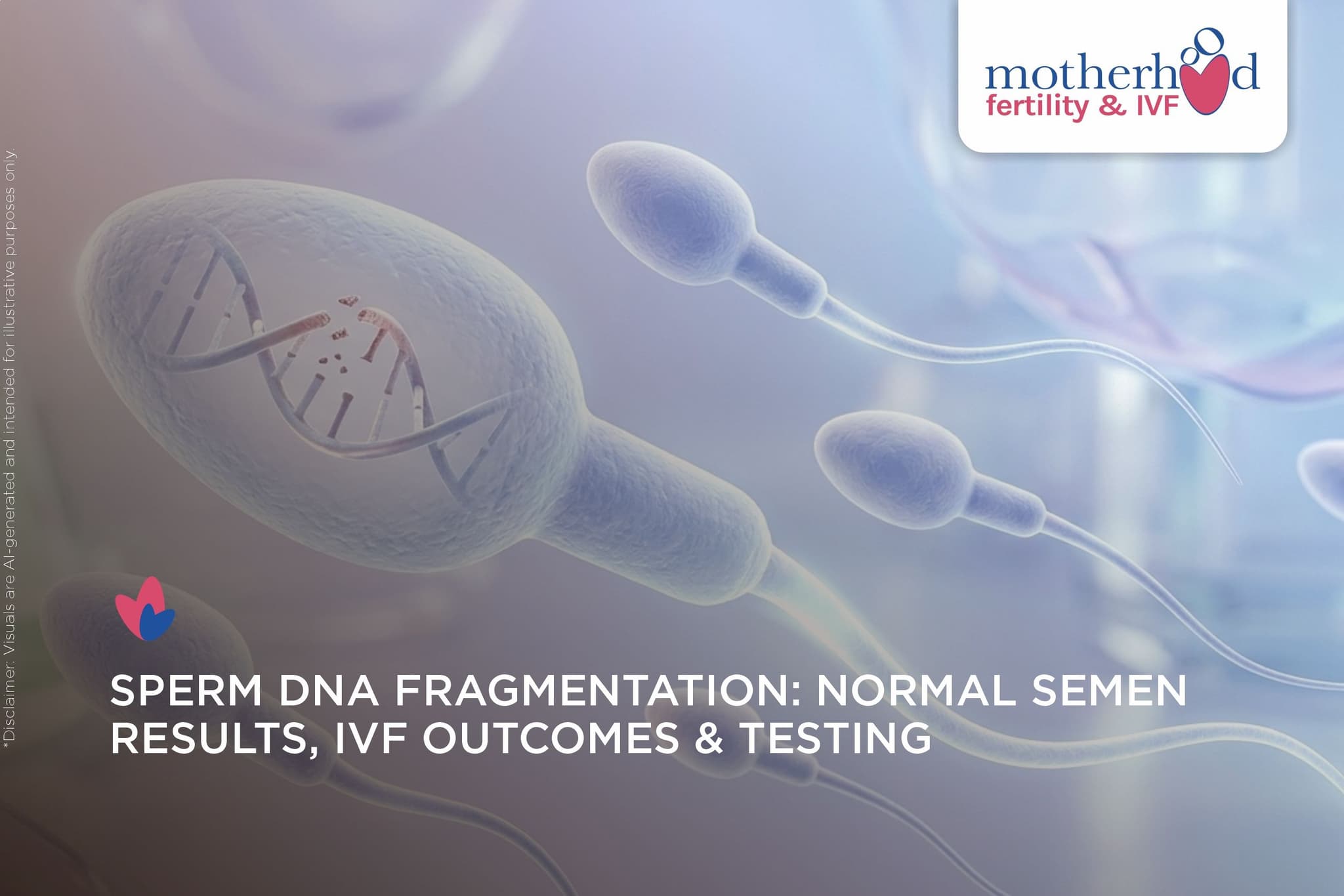

Yes, sperm DNA fragmentation can be high even when a semen analysis shows normal sperm count, movement and shape. This happens because conventional semen testing evaluates visible sperm characteristics but does not directly assess the integrity of the genetic material carried inside sperm cells. In some couples experiencing unexplained infertility, repeated IVF difficulties or pregnancy losses, sperm DNA damage may be one factor worth investigating. Understanding this distinction can help couples discuss whether additional male fertility assessment is appropriate rather than assuming that normal semen results rule out every possible concern.
What Does a Normal Semen Analysis Actually Tell You?
A semen analysis is usually one of the first investigations recommended when evaluating male fertility.
It assesses several important sperm characteristics, including:
- Sperm concentration: The number of sperm present in a given volume of semen.
- Sperm motility: How effectively sperm move.
- Sperm morphology: The proportion of sperm with a normal appearance.
- Semen volume: The amount of fluid produced during ejaculation.
These measurements provide valuable information about sperm production and reproductive function.
However, a normal semen analysis does not guarantee that every sperm is genetically healthy or that fertilisation and pregnancy will occur.
For some couples, further investigation may be considered when the clinical history suggests that conventional testing has not provided a complete explanation.
What Is Sperm DNA Fragmentation?
Sperm DNA fragmentation refers to breaks or damage within the DNA carried by sperm cells.
This genetic material contributes to embryo development after fertilisation.
Although sperm may appear normal under a microscope, damage to its DNA may not be visible through routine semen analysis.
The sperm DNA fragmentation index, commonly called DFI, estimates the proportion of sperm showing DNA damage in the sample tested.
Different laboratory methods assess sperm DNA fragmentation, and interpretation depends on the test used.
A higher DFI may raise questions about sperm DNA integrity, but the result cannot independently predict whether IVF will succeed or fail.
To understand the investigation in greater detail, explore our Sperm DNA Fragmentation Index (DFI) guide.
Why Can DNA Damage Occur With Normal Sperm Results?
Sperm appearance and DNA integrity are related but different characteristics.
A sperm cell may have normal movement and shape while carrying DNA damage that conventional semen testing does not detect.
Several factors have been associated with increased sperm DNA fragmentation.
These include:
- Oxidative stress: An imbalance between harmful reactive molecules and the body's protective mechanisms.
- Smoking: Tobacco exposure may contribute to oxidative damage affecting sperm.
- Varicocele: Enlarged veins around the testicle may affect sperm function in some men.
- Inflammation or infection: Certain reproductive tract conditions may contribute to sperm damage.
- Age and environmental factors: Increasing paternal age, heat exposure and some environmental influences may play a role.
However, these factors do not explain every case.
An elevated DFI result may occur without a clearly identifiable cause.
A fertility specialist may review medical history, lifestyle factors and relevant investigations before deciding whether further assessment is useful.
Can Sperm DNA Fragmentation Affect IVF Outcomes?
Sperm contributes genetic material that is important for fertilisation and subsequent embryo development.
Research has identified associations between higher sperm DNA fragmentation and certain reproductive outcomes. However, findings vary between studies and testing methods.
Fertilisation and Embryo Development
Sperm DNA damage may be associated with difficulties in normal embryo development.
Some studies have explored whether higher fragmentation levels are linked to poorer embryo development or reduced pregnancy rates.
However, embryo formation depends on several factors, including egg quality, maternal age, laboratory conditions and other reproductive characteristics.
Therefore, poor embryo development cannot automatically be attributed to sperm DNA fragmentation.
IVF Failure and Pregnancy Loss
Higher sperm DNA fragmentation has also been associated with an increased risk of pregnancy loss in some studies.
However, the relationship between DFI and IVF outcomes remains complex.
A normal semen analysis does not exclude sperm DNA damage, but an unsuccessful IVF cycle does not necessarily mean the male partner has an elevated DFI.
Sperm DNA fragmentation is one possible contributing factor, not a confirmed explanation for every unsuccessful IVF attempt.
Understanding the broader stages of IVF treatment may help couples recognise the different factors involved in fertilisation and embryo development.
When Should You Consider a Sperm DNA Fragmentation Test?
Sperm DNA fragmentation testing is not routinely recommended for every couple undergoing an initial infertility evaluation.
However, a fertility specialist may consider discussing the test in selected circumstances.
These may include:
- Repeated unsuccessful assisted reproductive treatment cycles.
- Recurrent pregnancy loss without a clear explanation.
- Suspected male fertility concerns despite conventional semen results.
- Other clinical findings suggesting that additional male reproductive assessment may be helpful.
Testing decisions should consider the couple's complete reproductive history rather than a single laboratory result.
Importantly, not every patient with unsuccessful IVF needs a DFI test.
A specialist can explain whether the result is likely to influence further investigations or management.
Can High Sperm DNA Fragmentation Be Improved?
Some factors associated with sperm DNA damage may be modifiable.
Management generally begins by identifying possible contributing conditions rather than prescribing medication based on a DFI value alone.
Depending on the clinical assessment, recommendations may include:
Lifestyle changes: Stopping smoking, maintaining a healthy weight and addressing relevant environmental exposures may support reproductive health.
Treating underlying conditions: Selected men with varicocele, infection or other identifiable conditions may benefit from appropriate medical evaluation and treatment.
Reviewing reproductive health: A specialist may assess medications, medical history and other factors affecting sperm production.
Individualised treatment planning: Further assisted reproduction strategies may be discussed in selected circumstances.
Antioxidants and other medicines are sometimes considered, but evidence that these interventions consistently improve pregnancy or live birth outcomes remains limited.
Changes in DFI measurements also do not necessarily translate into improved IVF results.
No medication or intervention can guarantee that sperm DNA fragmentation will improve or prevent another unsuccessful IVF cycle.
Frequently Asked Questions
Can sperm DNA fragmentation be high with normal sperm count?
Yes. Sperm count measures the number of sperm present, whereas DNA fragmentation testing evaluates damage within sperm genetic material. Normal sperm concentration does not necessarily indicate normal DNA integrity.
Does high sperm DNA fragmentation always cause IVF failure?
No. High sperm DNA fragmentation does not automatically cause IVF failure. Outcomes depend on several factors, including egg quality, embryo development and the couple's overall reproductive health.
Can sperm DNA fragmentation affect embryo quality?
Sperm DNA damage may be associated with aspects of embryo development, but research findings vary. Embryo quality is influenced by both egg and sperm factors, so DFI alone cannot explain or predict embryo quality.
Is sperm DNA fragmentation testing necessary after failed IVF?
Not always. A specialist may consider DFI testing after repeated unsuccessful treatment or in selected clinical situations. Routine testing after a single unsuccessful IVF cycle is generally not recommended.
Can lifestyle changes improve sperm DNA fragmentation?
Lifestyle changes may help address contributing factors, particularly smoking and certain environmental exposures. However, improvements vary, and lifestyle modifications cannot guarantee a lower DFI or successful pregnancy.