Can you get rid of PCOS completely? At present, PCOS cannot be permanently cured, but its symptoms and long term health effects can often be managed effectively.
Polycystic Ovary Syndrome is a hormonal and metabolic condition that may affect menstrual cycles, ovulation, skin, hair growth, weight, insulin sensitivity and fertility. Symptoms can vary significantly between women and may also change over time. Understanding available PCOS treatment options can help women manage symptoms based on their individual health and fertility needs.
The right PCOS treatment depends on the symptoms that matter most, whether pregnancy is currently desired and whether metabolic concerns such as insulin resistance are present.
Healthy eating, physical activity, appropriate weight management, medical treatment and fertility care can all play a role. The goal is not to search for a permanent cure, but to create a sustainable plan that supports hormonal health, reproductive goals and long term wellbeing.
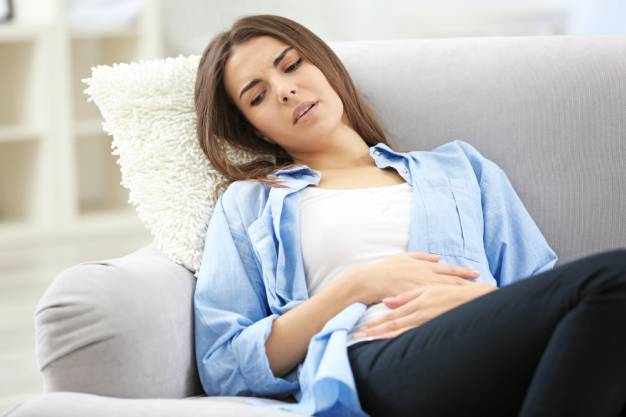
Can PCOS Be Cured or Only Managed?
PCOS is considered a long term condition rather than one that can currently be permanently cured.
Symptoms may become milder or more noticeable at different stages of life. Some women mainly experience irregular periods, while others have acne, excess hair growth, difficulty managing weight, insulin resistance or fertility problems.
This is why PCOS management focuses on the individual rather than using one treatment for everyone.
Treatment commonly aims to:
- Improve menstrual regularity
- Support ovulation when pregnancy is desired
- Manage excess androgen related symptoms
- Improve metabolic health
- Address insulin resistance when clinically relevant
- Reduce longer term risks associated with irregular cycles and metabolic disease
- Support fertility when conception is difficult
The idea of “reversing” PCOS can be misleading. Lifestyle changes may improve symptoms substantially, and some women may experience more regular ovulation or better metabolic health, but the underlying tendency towards PCOS remains.
Current international guidance describes lifestyle management as a core part of long term PCOS care while also emphasising that health benefits can occur even without weight loss.
Lifestyle Changes to Manage PCOS
Lifestyle measures are a central part of PCOS care and can support metabolic health, menstrual function and overall wellbeing.
Women often search for how to cure PCOS naturally, but a more accurate goal is to use healthy habits to manage PCOS naturally alongside medical care when needed.
Important areas include nutrition, physical activity, weight management, sleep and emotional wellbeing.
Current PCOS guidance does not identify one diet or exercise programme as superior for every woman. Instead, it recommends sustainable healthy eating and regular physical activity based on individual needs and preferences.
For women with higher body weight, modest weight reduction may improve menstrual regularity and metabolic health. For women who are not overweight, the focus should be on maintaining healthy habits and preventing unnecessary weight gain rather than trying to lose weight.
Lifestyle care should also avoid weight stigma. PCOS can affect women across different body sizes, and treatment should focus on health rather than appearance alone.
What Is the Best Diet for Managing PCOS?
There is no single best PCOS diet.
A balanced eating pattern can include vegetables, fruits, whole grains, legumes, lean protein sources, nuts, seeds and healthy fats. Women who are planning pregnancy may also benefit from following practical PCOS diet tips that support overall metabolic and reproductive health.
Meals that are rich in fibre and less dependent on highly refined carbohydrates may support more stable blood glucose levels.
The goal is sustainable nutrition, not extreme restriction or a short term “PCOS cure” diet.
How Do Exercise and Weight Loss Help Improve PCOS Symptoms?
Regular physical activity can improve metabolic health, insulin sensitivity, cardiovascular fitness and overall wellbeing.
For women with higher body weight, even modest weight reduction may improve menstrual regularity and some PCOS symptoms.
Exercise remains beneficial even when weight does not change, so physical activity should not be judged only by the number on the scale.
Can Better Sleep and Stress Management Improve PCOS?
Good sleep and stress management support general metabolic and emotional health.
Poor sleep can worsen fatigue and make healthy routines harder to maintain, while persistent stress may affect wellbeing and treatment adherence.
Stress reduction should therefore support overall health rather than be presented as a direct cure for PCOS or hormonal imbalance.
Medical Treatments for PCOS
Medical treatment depends on a woman’s symptoms, reproductive goals and metabolic health.
Someone who is not trying to conceive may need cycle regulation or treatment for acne and excess hair growth. Someone trying for pregnancy may need ovulation induction to stimulate or regulate the release of an egg when ovulation is irregular. Another woman may need treatment focused mainly on insulin resistance or diabetes risk.
This makes PCOS treatment options for hormonal balance and fertility highly individualised.
Current international guidance recommends combined oral contraceptive pills as first line pharmacological treatment for menstrual irregularity and hyperandrogenism in appropriate women, while metformin is used primarily for metabolic indications.
What Medications Are Used to Regulate Menstrual Cycles in PCOS?
Combined hormonal contraceptive pills can help regulate menstrual bleeding and may also improve acne and excess hair growth in women who do not currently wish to become pregnant.
Cyclic progestogen therapy may be considered in some situations to protect the endometrium when periods are very infrequent.
Treatment choice depends on medical history and contraindications.
How Do Insulin-Sensitising Medications Help Women With PCOS?
Metformin can be useful for selected women with PCOS, particularly when metabolic concerns such as insulin resistance, impaired glucose tolerance or increased diabetes risk are present.
It may also support cycle regulation in some women.
Current guidance recommends considering individual metabolic risk and discussing gastrointestinal side effects and the role of lifestyle measures alongside treatment.
What Fertility Treatments Are Available for Women With PCOS?
For women with anovulatory infertility and no other major infertility factors, letrozole is the preferred first line pharmacological treatment for ovulation induction in current international PCOS guidance.
Other options can include clomiphene citrate, gonadotropins, IUI or IVF depending on age, ovulation response, sperm findings, tubal health and previous treatment. Women experiencing irregular ovulation may also find it useful to understand more about pregnancy with PCOS and the steps that may support conception.
Women with PCOS who are having difficulty conceiving may need a broader fertility evaluation to understand factors such as ovulation, ovarian reserve, tubal health and sperm parameters. In some cases, an AMH test may be recommended as part of the assessment to better understand ovarian reserve and guide further treatment planning.
Managing PCOS Symptoms
PCOS symptoms vary widely, so treatment should focus on the problems that affect each woman most.
Some women need help with acne or excess hair growth. Others are more concerned about irregular periods, weight changes or fertility.
A personalised approach can combine lifestyle care with medication or fertility treatment.
The goal is to manage PCOS symptoms consistently rather than expecting one intervention to solve every aspect of the condition.
How Can Acne and Excess Hair Growth Be Managed in PCOS?
Acne and excess hair growth are often related to higher androgen activity.
Combined hormonal contraceptives may improve both symptoms in appropriate women.
Selected anti androgen medicines or cosmetic approaches may also be considered when needed.
Treatment requires medical supervision, particularly because some anti androgen medicines are unsuitable during pregnancy.
How Can Women With PCOS Manage Weight Gain?
Weight management should focus on sustainable eating, regular physical activity, adequate sleep and behavioural support.
For women with higher body weight, modest weight loss may improve metabolic markers and menstrual regularity.
However, healthy lifestyle changes remain valuable even without weight loss, and care should avoid blaming weight as the sole cause of PCOS.
How Can Irregular Periods Be Treated in PCOS?
Treatment depends on whether pregnancy is currently desired.
For women not trying to conceive, hormonal contraceptives or cyclic progestogen therapy may help regulate bleeding.
For women trying for pregnancy, treatment focuses on restoring or inducing ovulation.
Menstrual tracking can also help identify changes in cycle patterns over time.
PCOS and Fertility
PCOS affects fertility mainly because ovulation may occur irregularly or may not occur in some cycles.
This can make timing conception difficult, but PCOS does not mean pregnancy is impossible.
Current international guidance specifically reassures women that pregnancy can often be achieved naturally or with assistance.
For some women, improving lifestyle and metabolic health may help support more regular ovulation.
When ovulation remains irregular, fertility treatment may include ovulation induction. Letrozole is recommended as first line pharmacological therapy for anovulatory infertility in PCOS when no other infertility factor is present.
If pregnancy does not occur with first line treatment, other options may include IUI or IVF depending on the complete fertility assessment.
Women experiencing PCOS related Infertility should therefore be evaluated for age, ovulation, tubal health and male fertility factors rather than assuming PCOS is the only issue.
Frequently Asked Questions
Can PCOS Be Cured Permanently?
No. Can PCOS be cured permanently is a common question, but current evidence does not support a permanent cure.
PCOS is a long term hormonal and metabolic condition.
Symptoms can often be controlled very effectively through healthy lifestyle habits, cycle regulation, metabolic treatment and fertility care when needed.
How Can I Manage PCOS Naturally?
Healthy eating, regular physical activity, adequate sleep and sustainable weight management can support metabolic health and symptom control.
Women with higher body weight may benefit from modest weight reduction, while women at other weights still benefit from healthy lifestyle habits.
Natural management should complement, not replace, medical care when symptoms or fertility concerns require treatment.
Does Weight Loss Reverse PCOS?
No. Weight loss does not permanently reverse PCOS.
For women with higher body weight, modest weight reduction may improve menstrual regularity, insulin sensitivity and some symptoms.
However, PCOS remains a long term condition, and lifestyle benefits are still important even when weight loss does not occur.
What Medications Are Used for PCOS?
Treatment may include combined hormonal contraceptives for menstrual irregularity or androgen related symptoms, metformin for selected metabolic indications and medicines used to induce ovulation when pregnancy is desired.
The appropriate medication depends on symptoms, metabolic health, fertility goals and medical history rather than one standard prescription for every woman.
Can I Get Pregnant With PCOS?
Yes. Many women with PCOS conceive naturally or with fertility treatment.
When irregular ovulation is the main fertility problem, lifestyle measures and ovulation induction can help.
Letrozole is currently recommended as first line medication for anovulatory infertility in PCOS when no other infertility factors are present.
Conclusion
PCOS is a manageable long term condition rather than one that can currently be permanently cured.
The most effective approach combines sustainable lifestyle habits, appropriate treatment for menstrual or metabolic symptoms and fertility care when pregnancy is desired.
Healthy eating, regular activity, sleep, weight management where appropriate and medical monitoring can all support long term PCOS management.
Women experiencing irregular periods, fertility difficulties or other persistent symptoms should seek an individual assessment rather than relying on unproven permanent cures.
At Motherhood Fertility & IVF, women with PCOS can receive fertility evaluation and personalised treatment planning based on their reproductive goals.
For personalised fertility guidance, call 080 6723 8900 or book an appointment with Motherhood Fertility & IVF.